What to Do When You Already Accepted Keys Without Snagging
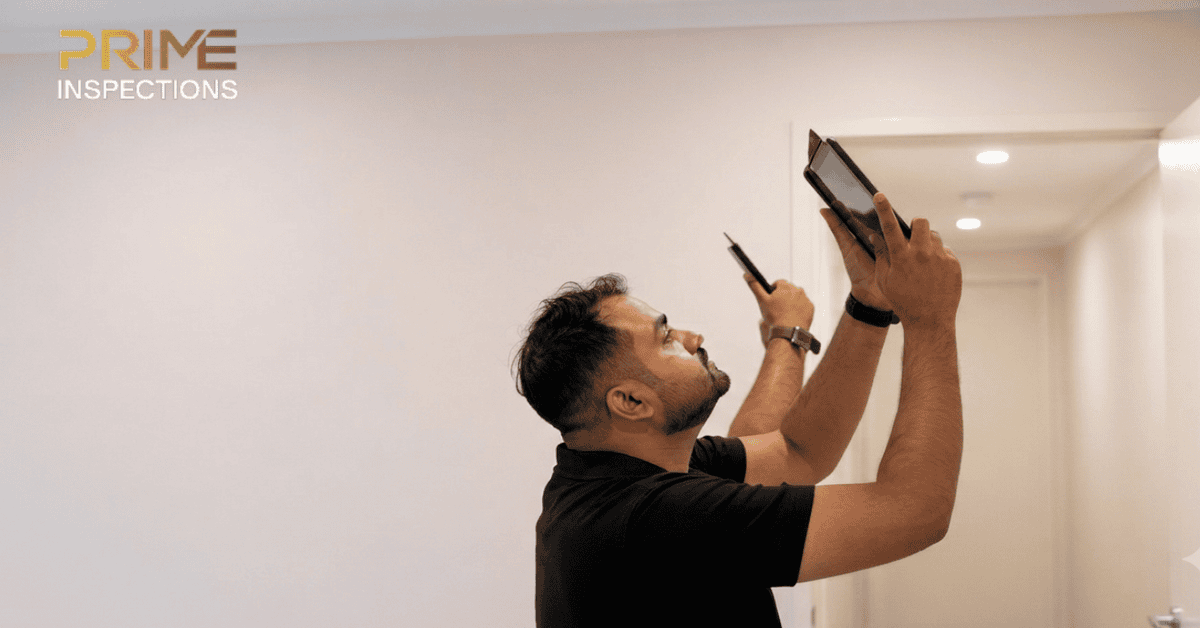
This is one of the most common reasons people call us, and it is almost never the disaster it feels like when you first pick up the phone. The appointment moved fast, the unit looked finished, someone handed you a pen at the handover desk, and now you are standing in your own home noticing things you did not notice that day.
We are not going to spend this article telling you what you should have done. You already know, and it is not useful to you now. What is useful is knowing exactly where you stand today, because it is a much better position than most of the internet will have you believe.
Is It Too Late to Snag After You Have Accepted the Keys?
No. Accepting the keys does not end the developer’s liability in Dubai. The defects liability period keeps running, usually for one year from handover, and the ten-year structural liability is completely unaffected by your signature. What signing may have weakened is your claim on defects that were visible at the time. Defects that were hidden are a different matter entirely, and they are still very much live.
That distinction, visible versus hidden, is the whole story here. Let us walk through exactly what it means for you.
What You Actually Gave Up When You Signed, and What You Did Not
Apparent Defects: The Ones You May Have Waived
Under UAE law, taking possession of a property without formally noting an issue you could see at the time can amount to accepting it as-is. This is what lawyers refer to as acceptance without reservation. It is why the industry pushes so hard for pre-handover snagging in the first place.
Apparent defects are things any reasonable person would notice on a normal walkthrough. A chipped worktop. A scratched door panel. A visible run in the paintwork. A missing cabinet handle. If you signed off without flagging these, the developer has a reasonable argument that you accepted the property in that condition.
Latent Defects: The Ones Your Signature Did Not Touch
A latent defect is different in kind, not just in severity. It is a defect that could not be observed through a normal external inspection, would not be apparent to an ordinary person walking through, and can only be identified by an expert or through proper testing.
In a typical Dubai apartment, this looks like hollow tiles hidden beneath a perfectly even floor finish. It looks like missing insulation on a chilled water line sitting inside a ceiling void. It looks like a wet area fall that is off by a couple of millimetres, invisible to the eye but very real to water. It looks like an earthing fault sitting quietly behind a switch faceplate. It looks like waterproofing that has not failed yet, but will.
None of these were something you could have caught by walking through with a checklist and a torch, and none of them are waived simply because you signed a handover form.
The Limitation Period on Latent Defect Claims, and How It Just Changed
This part matters and it is worth getting exactly right. Under the older Civil Code, a latent defect claim generally needed to be brought within six months of delivery. Under the new UAE Civil Transactions Law, Federal Decree-Law No. 25 of 2025, which came into force on 1 June 2026, that period was extended to one year from delivery, unless your SPA specifies a longer guarantee.
There is a transitional detail worth knowing too. Contracts signed before 1 June 2026 are generally still governed by the older code, so the exact period that applies to you can depend on your contract date. Reading your SPA and taking advice on the specifics is worth the half hour it takes.
Here is the full picture of where you actually stand, laid out plainly.
| What You Have | Status After Signing | Runs For | Based On |
| Claim for apparent defects accepted without reservation | Weakened, possibly waived | n/a | UAE law on acceptance of completed works |
| Claim for latent defects | Intact | 1 year from delivery under the new Civil Code, unless a longer contractual guarantee applies | Federal Decree-Law No. 25 of 2025 |
| Defects Liability Period for installations (mechanical, electrical, sanitary, sewerage) | Intact | 1 year from handover | Dubai Law No. 6 of 2019, Article 40(b) |
| Contractual DLP in your SPA | Intact | Whatever your SPA states, commonly 12 months | Your SPA |
| Structural (decennial) liability | Intact, and it cannot be waived | 10 years from the completion certificate, plus a 3 year window to claim from discovery | Dubai Law No. 6 of 2019, Article 40(a) |
| The 5 percent escrow retention | Intact | Released to the developer 1 year after the units are registered to purchasers | Dubai Law No. 8 of 2007, Article 14 |
Read that table again and notice something. Almost everything on it is still intact. What weakened is a narrower slice than most people assume when they first realise their mistake.

Your Post-Handover Inspection Now Matters More, Not Less
Here is the part that tends to genuinely change how people feel about their situation, and it is not a comfort blanket, it is simply how the logic works out.
If apparent defects are the ones you may have partly waived by signing, then the defects that still matter most to you are precisely the ones you could not see. And the only reliable way to find those is with instruments, not eyes.
That means a post-handover inspection at this stage is not a smaller, consolation version of what you should have booked before signing. In a real sense it is the more important inspection, because it is specifically hunting for the category of defect that survived your signature intact.
A thermal camera picks up temperature differentials behind a wall that looks flawless from the outside. A moisture meter finds water sitting where nothing is visibly wet yet. A sounding test across a tiled floor reveals voids underneath a surface that looks perfect. A level and slope meter catches a fall in a wet area that is wrong by an amount your eye was never going to detect on its own.
What to Do in the Next Fourteen Days
- Find your handover date and the defects liability clause in your SPA. Write the expiry date on a calendar today, not next week.
- Do not repair anything yourself yet. Repairing a defect can remove the evidence you would need to support a claim on it.
- Photograph everything you have already noticed, with dates.
- Book an independent inspection carried out with instruments, not a general visual walkthrough.
- Submit the resulting report to the developer in writing, referencing your DLP clause directly.
- Ask for a written rectification schedule with named dates against each item.
- Re-inspect before you agree that anything is actually closed.
- Diarise a second inspection roughly six weeks before your DLP expires, so nothing gets missed at the last minute.
What the Developer Can Still Refuse, Honestly
We would rather tell you this plainly than let you find out the hard way. A developer can reasonably push back on apparent, cosmetic items you effectively accepted by signing without reservation. They can refuse damage that happened after handover, once it is in your hands. They can refuse normal wear and tear. They can refuse anything genuinely outside the specification in your SPA.
What they cannot refuse is a genuine latent defect within its limitation period, the installation issues covered by your DLP, or anything falling within the ten year structural liability. Knowing exactly where that line sits is what makes the rest of this article something you can actually act on, rather than something you hope is true.
What We Find in Units Handed Over Without an Inspection
A client of ours signed for their apartment, moved in within the week, and painted a feature wall in the second bedroom not long after. About eight weeks later they called us about a persistent smell in the guest bathroom that no amount of cleaning seemed to touch.
Our thermal scan picked up a temperature and moisture pattern behind the shower wall that had nothing to do with anything they had done since moving in. It had been there since before they ever received the keys. It was never something a visual walkthrough, theirs or ours, would have caught on handover day, painted feature wall or not.
That is the pattern we see over and over with clients in this exact situation. The defects that survive a signature are, almost by definition, the ones nobody could see. And they also tend to be the ones that cost the most if they sit undiscovered for long.
Frequently Asked Questions
Can I still do snagging after I have taken handover in Dubai? Yes. Post-handover snagging is common and useful, particularly while the defects liability period is still running. It is especially important for finding hidden or latent defects that a signature does not waive.
Does signing the handover certificate waive my right to claim defects? Partly. It can weaken your position on apparent defects you could reasonably have seen and did not flag. It does not waive your rights on latent defects, DLP-covered installation issues, or structural defects.
How long after handover can I report defects to the developer? Installation-related defects are typically covered for one year from handover under Dubai Law No. 6 of 2019 and your SPA. Latent defects generally have a one year window from delivery under the current Civil Code. Structural defects run for ten years from the completion certificate.
What is the defects liability period in Dubai? It is the window, typically twelve months from handover, during which the developer is responsible for fixing installation and finishing defects at no cost to the owner. It runs alongside, and separately from, the longer structural liability period.
Will the developer still fix defects after I have moved in? In most cases, yes, provided the defect falls within the DLP, is a genuine latent defect, or falls under structural liability. A written report with clear evidence is what actually moves these requests forward.
What is the difference between an apparent defect and a latent defect? An apparent defect is something a reasonable person would notice on a normal walkthrough, like a scratch or a chip. A latent defect is hidden, not observable without expert inspection or testing, such as a waterproofing failure or a fault behind a finished surface.
Is post-handover snagging still worth paying for? Yes, and often more so than a pre-handover inspection would have been, since it is now specifically targeting the hidden defects that a signature does not waive and that are frequently the most expensive to leave undiscovered.
How quickly should I book an inspection after taking the keys? As soon as reasonably possible. The DLP clock is already running, and earlier detection gives you more time for the developer to schedule and complete repairs comfortably within that window.
Book Your Inspection While the Clock Is Still Running
Your defects liability period started the day you took the keys, and it only moves in one direction. The good news is that most of what actually protects you is still fully intact, and a proper instrument-led inspection now is exactly what finds the defects that matter most at this stage.
Our new handover snagging service works just as well as a post-handover inspection as it does before signing, and our water leakage inspection service is worth a specific look if anything feels off with moisture, smell, or damp. If your DLP has already run out entirely, our guide on what to do when you find snags after the DLP has expired covers what still applies. And if the developer becomes slow to respond once you do submit a report, our guide on what to do when a developer ignores your snag list walks through the escalation path. Every inspection is carried out by InterNACHI-certified, RERA-approved engineers, with a detailed report delivered within 24 hours. You can read more about our team on the About Us page, or book your inspection directly while the DLP clock is still on your side.