Best Practices for Withholding Final Payment Until Snags Are Fixed
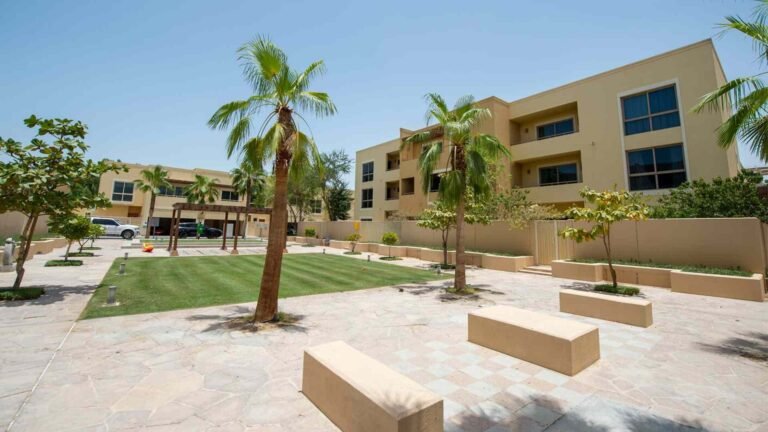
It was 4:15 on a Monday afternoon in September, in a three bedroom townhouse in Al Furjan.
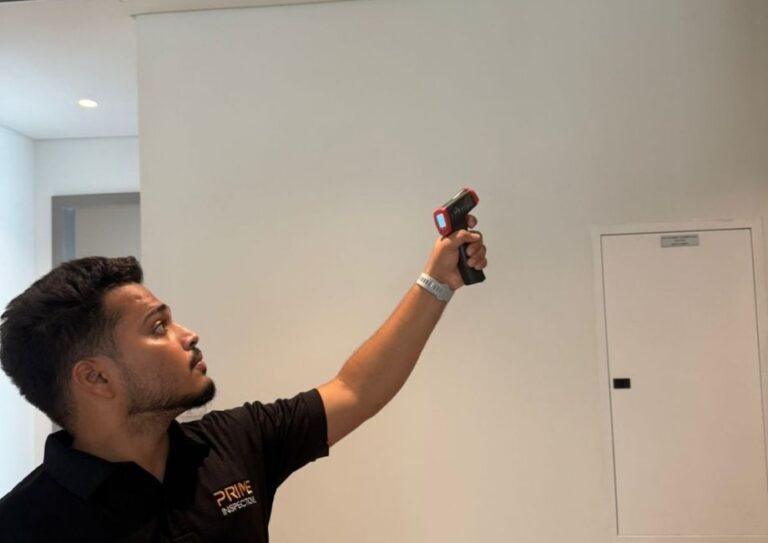
Malik had just finished thermal imaging the upper floor ceilings when the owner met him at the stairs. The handover notice gave him fourteen days to pay the last instalment. He had already found a cracked shower tray and two doors that would not latch.
“I am thinking of withholding final payment until they fix everything,” he said. “Is that a good idea?”
Malik told him honestly that we are inspectors, not lawyers. But we had seen how that plan can go.
It is a fair question, and one we hear often. Withholding final payment from a developer in Dubai carries real legal risk. There are safer ways to protect yourself, and this guide walks through them.
Withholding final payment from a Dubai developer over snags is risky. If a Sale and Purchase Agreement instalment is not paid, the developer can notify the Dubai Land Department and, after a 30 day notice, use remedies that include termination. Safer steps are written notice, a snag list attached to the handover documents, acceptance with reservations and advice from a lawyer.
Can You Withhold Final Payment Until Snags Are Fixed in Dubai?
Almost every week, someone on a handover inspection asks us whether they should hold the last payment back. We understand why.
Why owners think about it
Money feels like the only leverage left, which is why withholding final payment sounds so tempting. Once the final instalment is paid, many off-plan buyers worry the developer will stop answering.
That fear is real, and it is not unreasonable. We just see a lot of owners reach for the riskiest tool first, when quieter ones work better.
The short legal answer
In most Sale and Purchase Agreements (SPA), the final payment is a fixed milestone. It is tied to completion or the handover notice, not to the state of a snag list.
Most SPAs do not give the buyer a right to hold back an instalment because of snags. So withholding final payment is usually treated as a payment default, whatever the reason behind it.
There can be exceptions where a contract itself provides for a holdback. Only someone who has read your contract can say whether yours does.
Speak to a lawyer for your specific contract.
What a Developer Can Do If the Final Payment Is Not Made
This is the part most forum advice about withholding final payment leaves out.
Off-plan payments in Dubai are governed by Dubai Law No. 13 of 2008 on the Interim Real Estate Register, and Article 11 was replaced by Law No. 19 of 2017.
The DLD notice step
If an instalment is missed, the developer notifies the Dubai Land Department (DLD). The DLD then serves a written notice on the buyer, giving 30 days to pay or settle.
During that time the DLD may try to bring both sides together. Any settlement is recorded in a signed addendum. If nothing is settled, the DLD issues a report that includes the unit’s completion percentage, and that percentage decides what the developer can do next.
Remedies by completion percentage
| Unit completion | What the developer may do under Law 13 of 2008 as amended |
| Above 80 percent | Keep the SPA and claim the balance, ask the DLD to auction the unit, or terminate and keep up to 40 percent of the unit value |
| 60 to 80 percent | Terminate and keep up to 40 percent of the unit value |
| Below 60 percent, work started | Terminate and keep up to 25 percent of the unit value |
Any amount above those limits is refunded within one year of termination or within 60 days of the unit being resold, whichever comes first.
Why this matters at handover
By the time a handover notice arrives, a unit is, in practice, almost always well above 80 percent complete. The DLD certifies the actual figure, but the practical point is clear. Once a unit is that far along, the law gives the developer several options, and none of them help the buyer.
Late payment charges in the SPA
Separately, many SPAs include late payment penalties or interest on overdue amounts. Those can apply even before any DLD process starts. Find the clause in your contract and read it before your due date.
Speak to a lawyer for your specific contract.
Is Any Money Already Held Back for Defects?
Some owners consider withholding final payment because they assume nothing else is held back. They are often surprised to hear that a form of retention already exists. It just does not work the way they hope.
The 5 percent escrow retention
Under Article 14 of Dubai Law No. 8 of 2007 on escrow accounts, the escrow agent keeps 5 percent of the project escrow account after the completion certificate is issued. That amount is released to the developer one year after units are registered to buyers.
It is a project level safeguard. It is not a fund you can claim directly for your own snags. Still, it is one reason developers tend to stay engaged during the first year after completion.
The idea is close to what the construction industry calls retainage: part of the price held until the work is complete.
If you have a mortgage
The notice gave our Al Furjan owner fourteen days to pay. Mortgage buyers often have even less control over timing.
Usually, the bank pays the final instalment directly to the developer, following the SPA and its own process. If there are serious defects, talk to your bank early so nothing surprises you. Do not instruct the bank to stop a payment without legal advice.
Five Best Practices Instead of Withholding Final Payment
As Mohammed Nadeem Maldar, our Engineering Manager, puts it: “We are engineers, not lawyers. What we can say is that a clear report attached to the handover papers has protected more owners than a delayed payment ever has, in our experience.”
These are the steps we see work, again and again, without withholding final payment from the developer.
1. Get an independent snag report before the payment date
Book the inspection early, so the report is in your hands before the deadline. Ours arrive within 24 to 48 hours.
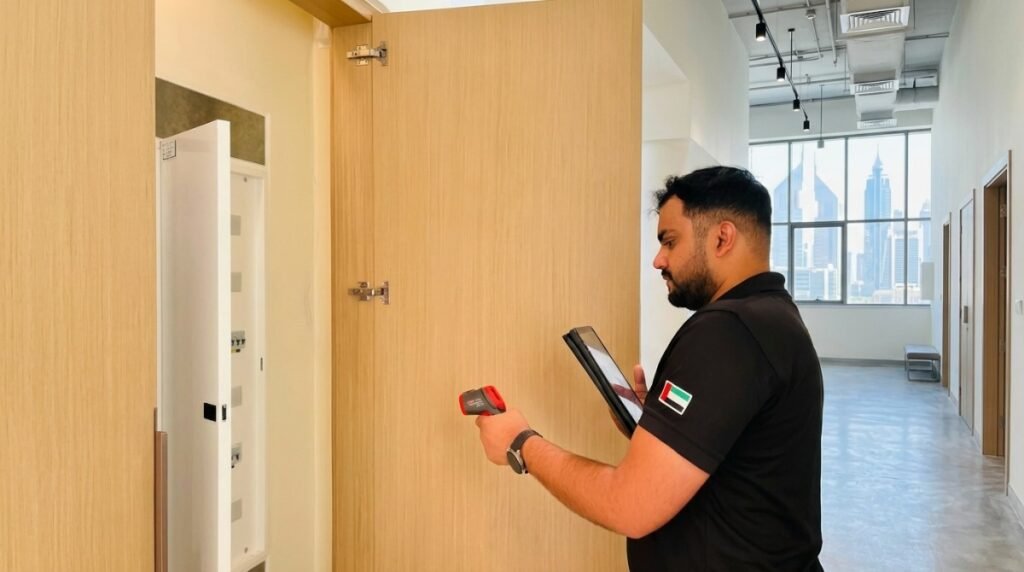
We follow a 250+ checkpoint checklist and use thermal imaging and moisture meters. That means hidden items, like a slow leak under a bathroom, are on paper before you pay rather than discovered after.
If your payment date is close, booking a handover snagging inspection early gives you a report in time.
2. Send written notice of the snags
Email the report through the developer’s official channel. Use a numbered list and ask for written acknowledgement and a dated plan.
A line many owners use: “Please find our snagging report attached. We will be making the final payment as per the SPA, and we would be grateful for written confirmation of the listed items and a date for each.”
It makes your position clear without threatening anything.
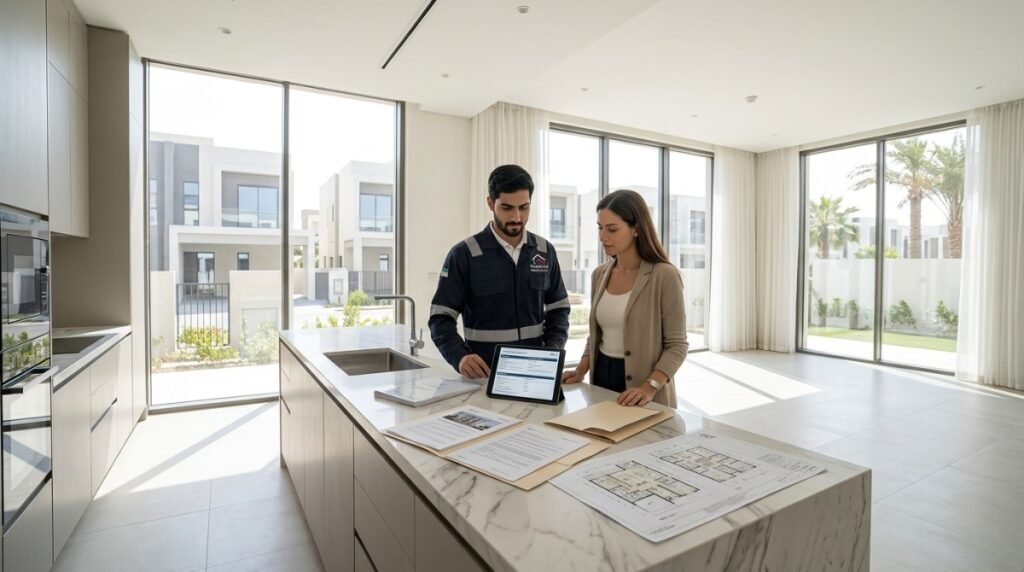
3. Attach the snag list to the handover documents
Ask that the agreed list is attached to, or referenced in, the handover form or key handover protocol. That turns your list into part of the record of what was handed over.
Our pre-handover snagging checklist covers what to prepare before that day.
4. Accept with reservations, not “in perfect condition”
Many owners write that the unit is accepted subject to the attached snag list. That is very different from signing that it is accepted in full and perfect condition.
Read the form slowly. If the wording says you accept the unit without reservation, ask about it before you sign. If you feel rushed at the handover desk, it is fine to ask for a few minutes to read.
5. Get lawyer advice before you change any payment
Only a lawyer who has read your SPA can tell you whether any amount can lawfully be held, for example where the contract itself provides for it. Forum posts and friends’ experiences are not a substitute.
Speak to a lawyer for your specific contract.
What This Looked Like in an Al Furjan Townhouse
Back in Al Furjan, Malik’s report came out in under 48 hours with 87 items.
The thermal scan showed a warm patch under the master bathroom. With moisture readings alongside it, that pointed to a slow leak, and it went to the top of the list. Missing silicone at the cracked shower tray sat just below it.
The owner then did something we always respect. He spoke to a lawyer, who read his SPA and told him the payment was a contractual milestone. He paid on time.
Before signing, he sent the full report to the developer by email and asked for written acknowledgement. He signed the handover form with the snag list attached and a note that the listed items remained open.
Separately, he had a kitchen fit-out planned with a private contractor. For that job, he agreed in writing to hold 10 percent of the contractor’s fee until our contractor work inspection came back clear. That was a contract term he set up in advance, not a payment withheld from the developer.
Fit-Out and Renovation Contractors: Where Retention Works Differently
Here, the picture changes. A private fit-out contract is not an off-plan SPA, and withholding final payment can be a normal, agreed part of it.
Retention is a contract term
With a fit-out or renovation contractor in the UAE, holding back part of the price until defects are fixed is common. But only if your contract says so.
Typical practice is a small percentage, for example 5 or 10 percent, held for an agreed period. Agree the amount and the release conditions in writing before any work starts.
Inspect before you release
Have the work checked before the final payment, and again before you release the retention. Our guide on what to do when a contractor demands final payment before fixes covers this in more detail.
Our contractor work inspection starts from AED 799 for a single bathroom or kitchen, AED 1,699 for a full apartment and AED 4,299 for a full villa, excluding VAT.
If there is no retention clause
Talk to the contractor first and put any agreement in writing. Do not invent a holdback the contract does not support.
Speak to a lawyer for your specific contract.
If Snags Are Still Open After You Have Paid
Paying does not end the story. It just moves it into a different stage.
The defects liability period
The developer’s obligations continue after handover. Non-structural and MEP defects are commonly covered for one year, and structural defects carry ten year liability. Check your SPA for the start date, and assume the earlier date applies.
Our explainer on the defects liability period in Dubai covers this in more depth.
Escalation route
Start with a formal written notice listing the open items and asking for dates. If that does not work, buyer and developer disputes go through the Dubai Land Department, which offers an amicable settlement route. After that, the matter can go to Dubai Courts, or to arbitration if your SPA provides for it.
Speak to a lawyer for your specific contract.
Frequently Asked Questions
Can I withhold my final payment until snags are fixed in Dubai?
In most cases the final instalment is a fixed SPA milestone, not something tied to snags. Holding it back can be treated as a default and let the developer start a DLD notice. Safer options include written notice and attaching the snag list to the handover documents. Speak to a lawyer for your specific contract.
What happens if I do not pay the final instalment on time?
The developer can notify the Dubai Land Department, which serves a written notice giving you 30 days to pay or settle. If nothing changes, the developer may use remedies under Law 13 of 2008 as amended. Your SPA may also charge late payment penalties. Speak to a lawyer for your specific contract.
How much can a developer keep if it terminates for non-payment?
Under Dubai Law No. 13 of 2008 as amended in 2017, it depends on completion. Above 80 percent, or between 60 and 80 percent, the developer may keep up to 40 percent of the unit value. Below 60 percent, with work started, up to 25 percent. Any excess must be refunded within set time limits.
Is any money held back for defects on Dubai off-plan projects?
Yes, at project level. Under Dubai Law No. 8 of 2007, the escrow agent keeps 5 percent of the escrow account after completion and releases it one year after units are registered to buyers. It is not a fund you claim directly, but it supports the developer staying engaged in year one.
Should I sign the handover form if snags are still open?
Read the form before signing. Many owners sign with the agreed snag list attached and a note that the listed items remain open, instead of confirming the unit is in perfect condition. If the wording worries you, speak to a lawyer for your specific contract before you put your name to it.
Do I lose my rights to repairs once I pay?
No. Paying the final instalment does not end the developer’s obligations. Non-structural and MEP defects are commonly covered for one year under the defects liability period, and structural defects for ten years. Keep your snag list, emails and photos together, and check your SPA for the start date.
Can my bank hold the final mortgage payment because of snags?
Banks usually pay the final instalment directly to the developer under the SPA and their own process. If there are serious defects, talk to your bank early, but do not ask it to stop a payment without legal advice. Speak to a lawyer for your specific contract before taking any step.
Can I hold back money from a fit-out contractor until defects are fixed?
Often yes, if your contract includes a retention clause. Holding a small percentage until defects are fixed is common in fit-out and renovation work. Agree the amount and release date in writing before work starts, and have the work inspected before you release the final payment.
How the Al Furjan Handover Ended, and How We Can Help
Over the next six weeks, the developer closed most of the list.
Malik’s re-inspection reopened three items, including the bathroom leak, which was then fixed properly. The fit-out retention was released after the second check.
No termination letters. No DLD notice. No stress about the money already paid. Just paper that kept everyone honest.
At Prime Inspections & Snagging, our RERA certified, DLD approved inspectors have carried out more than 73,000 inspections. We are not lawyers, and we do not repair anything. We just help you see clearly what needs fixing.
If your final payment date is close, we can inspect the unit and give you a report to attach to your handover documents. Handover snagging starts from AED 1,499 for a two bedroom apartment, AED 2,799 for a townhouse and AED 3,999 for a villa, excluding VAT. A re-inspection is booked as a separate visit, so ask for the fee when you book.
Not sure where to start? Call +971506021830 or send us a message. We are based in Business Bay and happy to talk it through.