Top 10 Common Snagging Issues Found in Dubai Properties — What Every Buyer Should Know

Purchasing a property in Dubai — whether a luxurious villa, high-rise apartment, or a townhouse — is a major investment. Yet even homes from reputed developers can harbor hidden defects. This reality makes snagging inspections essential. Professional snagging identifies flaws before handover, safeguarding your investment, ensuring safety, and preventing costly post-move-in repairs.
For these reasons, many homeowners rely on Prime Inspections — widely regarded as the best snagging company in Dubai — for thorough, certified inspections. In this article, we explore the 10 most common snagging issues discovered in Dubai properties and explain how proper inspection services can help.
1. Paint, Plaster & Wall Defects
Typical Issues:
- Uneven paint coats: visible roller strokes, streaks, patchiness
- Plaster cracks or hairline cracks due to settlement or drying
- Uneven plaster finishing: bumps, ridges, rough patches
- Damp spots or moisture discoloration near windows or bathrooms
Why It Matters:
These defects affect aesthetic appeal, indoor air quality (if dampness leads to mold), and resale value. Paint flaws can also be symptomatic of deeper structural or waterproofing problems.
What to Do:
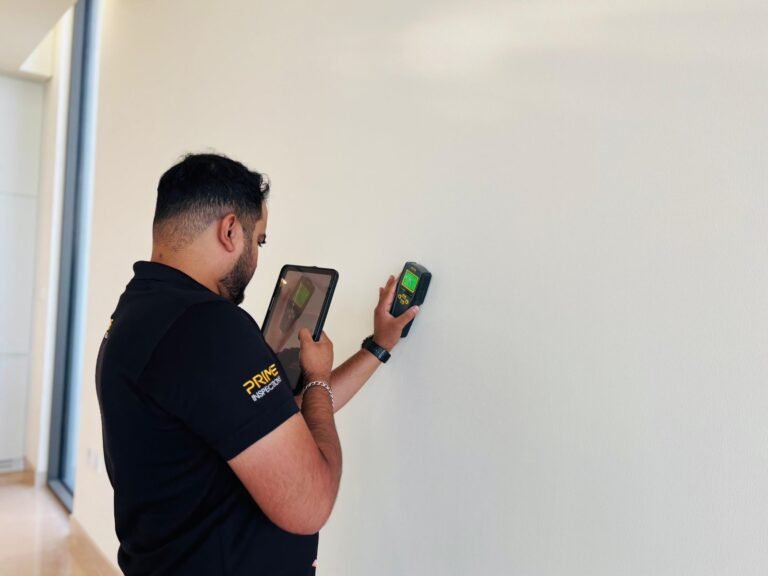
During a snagging inspection, walls and ceilings must be visually and physically examined. Any dampness should be measured using moisture meters. Documentation should include high-resolution photographs and a detailed defect log so developers can correct them before handover.
2. Flooring Problems: Uneven Tiles, Hollow Sounds & Grout Issues
Frequent Faults:
- Hollow-sounding tiles indicating poor adhesion
- Cracked or chipped tiles — especially near edges or thresholds
- Uneven floor levels between rooms or balconies
- Irregular grout lines or missing grout
Risks:
Weak adhesion or uneven surfaces might lead to water seepage, especially in bathrooms or terraces. Over time, tiles may lift or crack further, leading to costly retiling and waterproofing remediation.
Recommended Action:
Inspectors should check tile alignment, floor levelness, and adhesion strength. Priority must be given to balconies, terraces, bathrooms — typically high-risk zones. A full inspection helps identify hidden flaws early.
3. Doors & Windows – Misalignments, Seal Failures & Functionality Flaws
Common Defects:
- Doors scraping floors or frames when closing
- Hinges that are loose or misaligned
- Window frames not sealed properly — causing draft, dust ingress or water seepage
- Faulty locks or handles
Consequences:
Misaligned doors/windows can compromise security, sound insulation, and energy efficiency. Leaks around windows may cause dampness during rainfall or AC condensation — damaging interiors over time.
4. Plumbing Issues – Leaks, Low Pressure & Drainage Problems
Typical Problems Found:
- Hidden leaks behind walls or below sinks
- Low water pressure or inconsistent hot/cold water supply
- Poor drainage, slow flow, blocked outlets
- Improper sealing around sanitary fittings or shower trays
Why It’s Critical:
Undetected leaks or drainage faults can lead to water damage, mold growth, structural weakening, and expensive repairs after handover.
Inspection Importance:
A thorough plumbing inspection — checking all taps, flushes, drainage flow, and under-sink piping — is essential to reveal defects.
5. Electrical Deficiencies – Faulty Wiring, Improper Load Distribution & Safety Risks
Frequent Snags:
- Non-functional or loose sockets and switches
- Overloaded circuits
- Exposed wiring behind fixtures
- Flickering lights or unstable power supply
- Incorrectly labeled distribution boards
Potential Dangers:
Electrical faults are safety hazards. Poor wiring may cause short-circuits, fire risk, or appliance damage.
What to Check:
Inspectors must test all sockets, switches, lighting circuits, and DB board load distribution. Every defect should be logged with evidence.
6. HVAC & Air-Conditioning Issues – Inefficient Cooling & Airflow Problems
Common Issues in Dubai Properties:
- Weak AC performance (especially in hot months)
- Uneven cooling across rooms
- Poor ducting or blocked vents
- Thermostat/calibration faults
Why It Matters:
Given Dubai’s climate, effective AC is not a luxury — it’s a necessity. Inefficient systems lead to discomfort, higher energy bills, and HVAC damage over time.
7. Kitchen & Fit-Out Defects – Cabinets, Fixtures & Installation Flaws
Frequent Defects Include:
- Loose cabinet doors or misaligned drawers
- Improper countertop fitting, gaps, or uneven surfaces
- Leaks under sinks due to poor installation
- Incorrect appliance installation or faulty fixtures
Impact:
Since kitchens are heavily used, these flaws worsen quickly. Poor installation may lead to water ingress, damage to cabinetry, or malfunctioning appliances.
8. Waterproofing Failures – In Wet Areas, Balconies & Terraces
Common Failures:
- Leaks behind shower walls or under tiles
- Inadequate sealing around windows, balconies, or terraces
- Water seepage during rain or AC condensation
- Balcony water pooling due to poor slope/grading
Long-Term Risks:
Water intrusion can cause structural damages, mold, tile damage, and compromised indoor air quality.
9. Structural & Exterior Flaws – Cracks, Settlement, External Finishing Defects
Issues That Appear in Inspections:
- Cracks in exterior walls or balcony supports
- Uneven settlement or visible structural stress
- Bad sealing of external joints, rendering flaws
- Weak balcony railings or façade misalignment
Importance of Early Detection:
Structural issues can jeopardize safety. Detecting them before handover ensures rectification, compliance with building standards, and long-term structural integrity.
10. Incomplete Finishing & Handover Mistakes – Missing Fixtures, Defective Installations, Oversights
Typical Oversights:
- Missing accessories (trims, cover plates, switch covers, balcony handrails)
- Incorrect fixture installation (e.g., light fittings, bathroom accessories)
- Unsealed AC openings, unpainted patches
- Poor silicone sealing, incomplete caulking
- Loose electrical covers or unconnected wires
Why It Happens:
During final handover rush, developers often prioritize delivery timelines over finishing checks. A professional snagging inspection catches these omissions and ensures they’re resolved before handover.
How the Best Snagging Company in Dubai (Prime Inspections) Helps Detect & Rectify These Issues
As a leading provider of professional inspections, Prime Inspections offers a full suite of services tailored to cover all the problem areas listed above. Their services include:
- New Handover Snagging — detailed inspection before taking possession
- Resale Property Inspection — checks pre-owned homes for hidden defects
- Contractor Work Inspection — ensures renovation and fit-out quality
- Complete Building Inspection — full-scale inspection for multi-unit properties or buildings
- Water Leakage Inspection — moisture detection, plumbing leak checks, and waterproofing verification
- Pool Inspection — for villas/communities with private or shared pools
By choosing Prime Inspections — the best snagging company in Dubai — you get certified experts, advanced testing tools (like moisture meters and thermal cameras), and comprehensive reports. This helps ensure all issues are documented and corrected before handover.
Final Thoughts: Snagging Is Essential for Every Homeowner in Dubai
The rapid pace of construction in Dubai, combined with tight project deadlines, means many new properties are delivered with defects — some visible, many hidden. A thorough snagging inspection is not optional; it’s a necessary step to:
- Protect your investment
- Ensure safety and compliance
- Avoid expensive future repairs
- Secure a defect-free, smooth handover
With a trusted provider like Prime Inspections, you get professional assurance that your new home is built to the highest standards and ready for comfortable living.
If you’re about to take handover, investing in a professional snagging inspection today can save you thousands and give you complete peace of mind.